
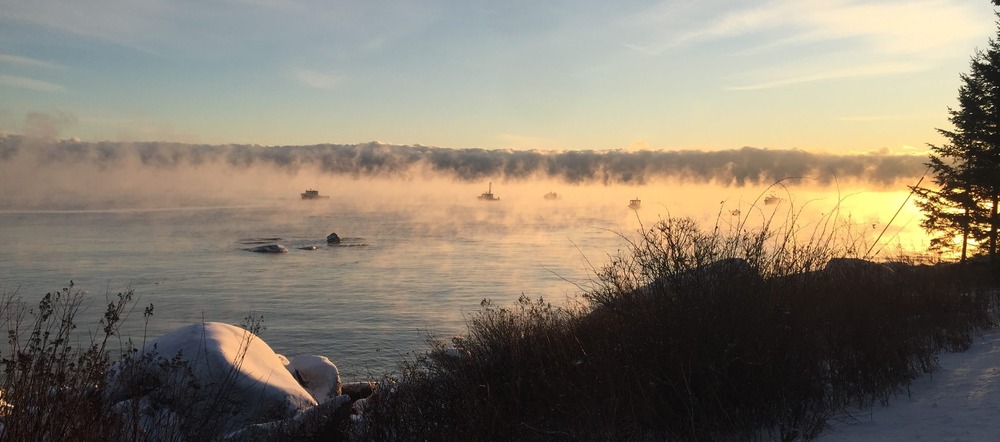
With extreme cold temperatures and spotty power outages expected, the Town of St. George will open a “by appointment” warming shelter at the town office from 4pm Friday January 23rd until 4pm Monday January 26th. Should you need a warm place to go, please call our EMS department at 372-6122. (If no answer, please call Town Manager Brandon Leppanen at 691-5175). Should a large scale, town wide power outage occur, a larger warming shelter will be opened at the school.
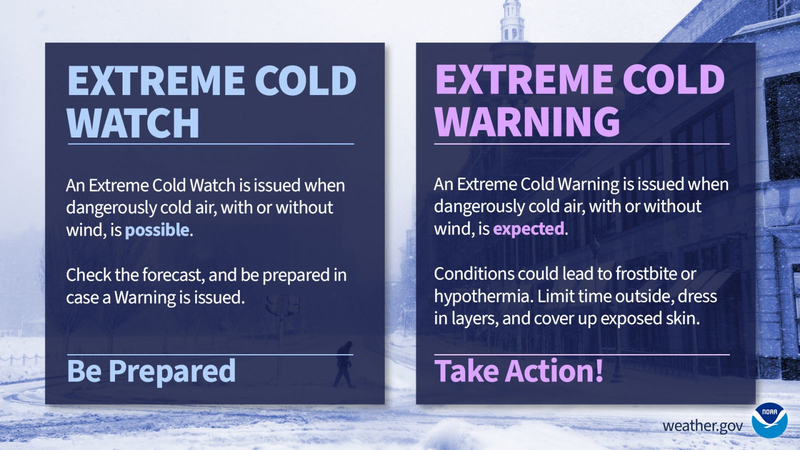
With the severe cold weather forecasted for this coming weekend, the St. George Emergency Services Committee, Fire and EMS Departments have key safeguards to be mindful of:
Personal Safety:
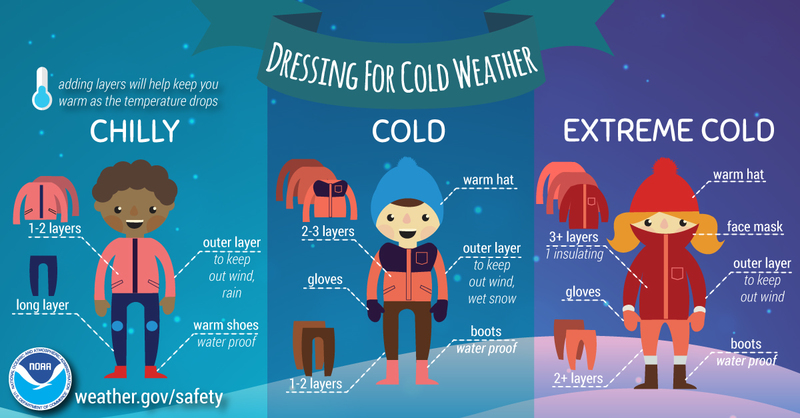
Dress in Layers: Stay indoors if at all possible. If you have to venture out, wear several layers of loose, warm clothing, a moisture wicking base layer, an insulating middle layer (wool or fleece), and a waterproof outer layer; a hat; mittens (warmer than gloves; a scarf; and insulated, waterproof boots. Cover extremities, protect high-risk areas like the nose, ears, fingers, and toes. Cover your mouth to protect your lungs. Try to stay dry and out of the wind.
Limit Exposure: Stay indoors as much as possible; avoid overexertion, especially when shoveling snow, to prevent potential heart attacks.
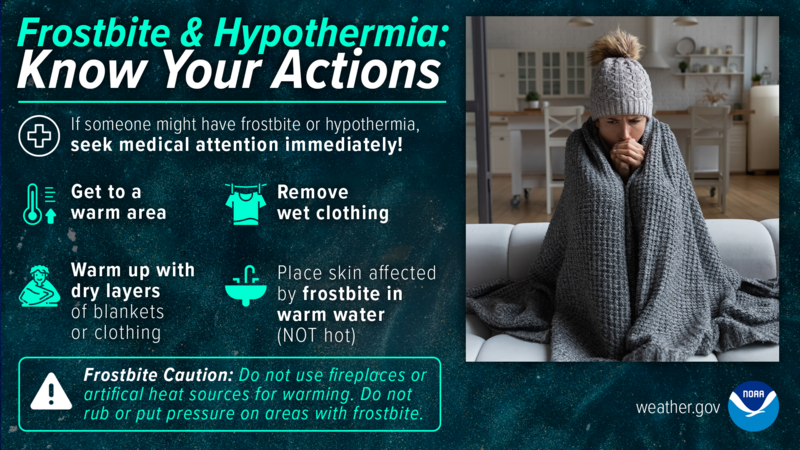
Monitor your Health: Be aware of hypothermia (shivering, confusion, drowsiness, fumbling hands), and frostbite (numbness, skin discoloration). Seek medical help if symptoms appear.
Stay Hydrated: Drink warm liquids, avoid alcohol which can dehydrate you.
Home & Utilities
Prevent Carbon Monoxide (CO) Poisoning: Ensure battery-operated CO detectors are installed and operating on every building level. Use generators only outdoors, at least 20 feet away from windows, doors, or vents.
Safe Heating: Place space heaters at least 3 feet away from flammable materials like curtains, bedding, or carpeting. Never use ovens or stoves for heat as that poses a CO risk.
Conserve Internal Heat: If the power goes out, close off unused rooms and stuff towels into door cracks to prevent drafts.
Prevent Pipe Freezing: Allow faucets on outside walls to run at a very low drip (both hot and cold) to keep the water moving. Open cabinet doors under sinks to let warmer air reach the plumbing.
Prepare for Outages: Have emergency supplies (batteries, flashlights, water, food, medications, blankets) and working smoke/CO detectors.
Travel & Outdoors
Minimize Travel: Stay off roads during severe weather/storms if possible.
Vehicle Emergency Kit: Keep jumper cables, sand, flashlight, warm clothes, blankets, water, and snacks in your car. Keep a fully charged cell phone with you.
Drive Cautiously: Slow down, increase following distance, keep your gas tank full.
If Stranded: Stay in your vehicle, run the engine for roughly 10 minutes every hour only enough to stay warm (use your vehicle emergency kit items), ensure the tailpipe is clear of snow to prevent carbon monoxide (CO) buildup, and stay visible.
Community & Others
Check on Others: Call elderly or frail neighbors, family and friends.
Pets: Bring pets inside and ensure they have shelter and water.
Don't try to tough-it out! If you can't stay warm and safe, take advantage of the warming shelter. Don't be bashful about calling emergency services for help, that's why we're here.